Evaluating a Soccer Ball Monogram for Real Embroidery Projects
When a client asked me to create a custom embroidered sweatshirt for her son’s birthday, featuring his name and his favorite sport, I knew the design selection would be critical. This wasn’t just about stitching a soccer ball; it needed personality, clarity, and a layout that would stitch out cleanly on a fleece-backed fabric. That’s the lens I’m using to look at this Soccer Ball Monogram, Soccer Ball Logo design. Let’s talk about what works, where it shines, and the practical considerations for turning this digital file into a standout finished product.
The First Impression: Sporty, Clean, and Ready for Personalization
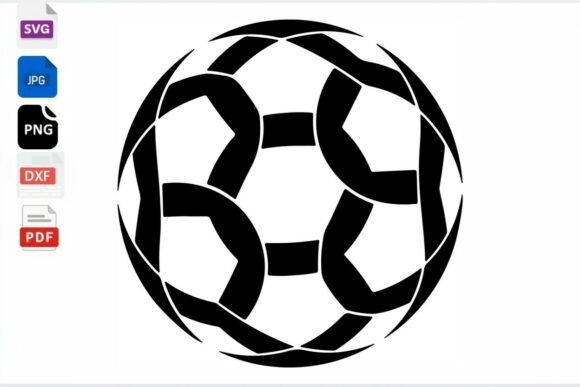
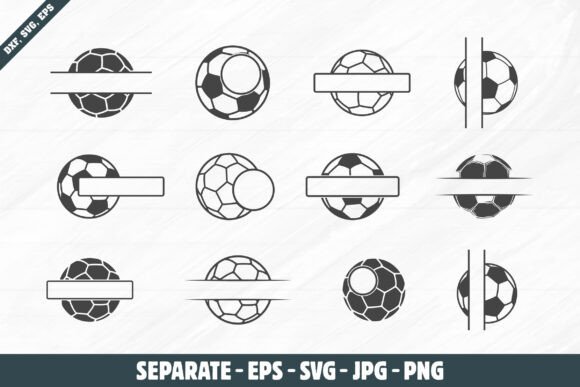
Opening the files, the immediate vibe is classic and versatile. The design balances a recognizable soccer ball shape with a clear space for lettering or a name. It doesn’t feel overly cartoonish or excessively detailed, which is a good sign for embroidery. That simplicity translates into stitching clarity, especially on items like caps or baby blankets where dense detail can get lost. The visual personality is friendly and sporty—perfect for personalized gifts, youth apparel, or craft business merchandise targeting teams and fans.
Where This Design Naturally Belongs
This design feels destined for projects where a personal touch meets a popular theme. Think embroidered tote bags for a soccer coach, a customized patch on a team apron, or a child’s name on a nursery pillow cover. For Etsy sellers and apparel decorators, it’s a versatile asset for holiday gifts like Father’s Day or a birthday, where adding a name significantly boosts the giftability and perceived value. The monogram layout also makes it a strong candidate for small shop product branding—a boutique could use it as a logo on staff caps or kitchen towels.
Performance in Real-Life Embroidery Situations
In practical use, the success of any machine embroidery design hinges on how it translates from screen to stitch. Here’s my thinking on application.
On stable fabrics like cotton tote bags, canvas aprons, or quilted pillow covers, this design should perform reliably. The likely use of satin stitch for the ball’s panels and fill stitch for the background would create a nice texture. For custom apparel like sweatshirts or t-shirts, proper stabilizer will be key, especially if the design has areas of higher stitch density. I’d confidently use it for an embroidered patch, appliquéd onto a jacket, given the clean shape.
For baby embroidery on onesies or blankets, the scale matters. A slightly larger hoop size will help maintain the integrity of any small lettering integrated into the monogram. On dark fabric, the choice of thread colors becomes paramount—a bright white and contrasting accent colors will make it pop, enhancing visual appeal and customer trust in the handmade product’s quality.
Scenarios That Demand Extra Care
Some applications require a more cautious approach. Stretchy or thin fabrics, like certain t-shirt knits, can distort the circular shape. Embroidering on curved surfaces like caps demands careful placement to keep the monogram centered and legible. If the design includes tiny lettering details within the logo, testing on scrap fabric first is non-negotiable—you need to ensure those details don’t get muddy with stitching.
Also, consider fabric texture. A heavily textured linen tea towel might not be the ideal canvas for every element of this design, as fine details could get lost. For products destined for frequent washing, like sports gear, checking that the stitch structure is robust enough to withstand wear is a practical step that speaks to professionalism and brand consistency for your business.
Turning a Digital File into Commercial Success
For creative entrepreneurs and digital product sellers, this design isn’t just for personal projects. It’s a design asset that can be part of a larger commercial offering. Its clean format makes it excellent for creating printable mockups for your online listings, showing potential customers exactly how it could look on a sweatshirt or bag. This builds buyer engagement and helps sell the idea before the stitch is even made.
However, a critical note: before selling any finished items or using this in commercial embroidery projects, you must confirm the licensing terms. The product description notes it’s a digital download, but the specifics for commercial use are not detailed here. Always verify that. Using it confidently in your craft business or for Etsy listings depends on that clarity.
Essential Designer Notes Before You Hoop Anything
- Always test the design on scrap fabric that matches your final project’s material. This reveals how stitch density interacts with your fabric.
- Check thread color contrast against both light and dark backgrounds. A quick test in black and white digital mockups can help plan for versatility.
- Inspect the provided files for any very small details. The separate SVG, EPS, and DXF files are valuable for scaling, but you need to confirm the design works at your intended hoop size.
- Use proper stabilizer for the fabric type. This is the unsung hero of embroidery clarity.
- Consider the end-use. Is it a one-off holiday gift or inventory for a craft fair? That decision might influence your choice of thread quality and finishing techniques.
Ultimately, the Soccer Ball Monogram, Soccer Ball Logo presents a solid, thematic foundation for a wide range of embroidery projects. Its strength lies in its blend of a popular symbol with personalization potential. By approaching it with these practical considerations—testing, scaling, and verifying licensing—you can transform this digital graphics file into embroidered products that look professional, feel special, and satisfy both your creative standards and your customers’ expectations. That’s the real goal: a design that stitches out not just correctly, but wonderfully.